Catalogue

Our publications

Portobello Press publishes and maintains the works of historian Nellie Ó Cléirigh. Each title reflects her commitment to accuracy, storytelling, and uncovering the human experiences behind historical events.


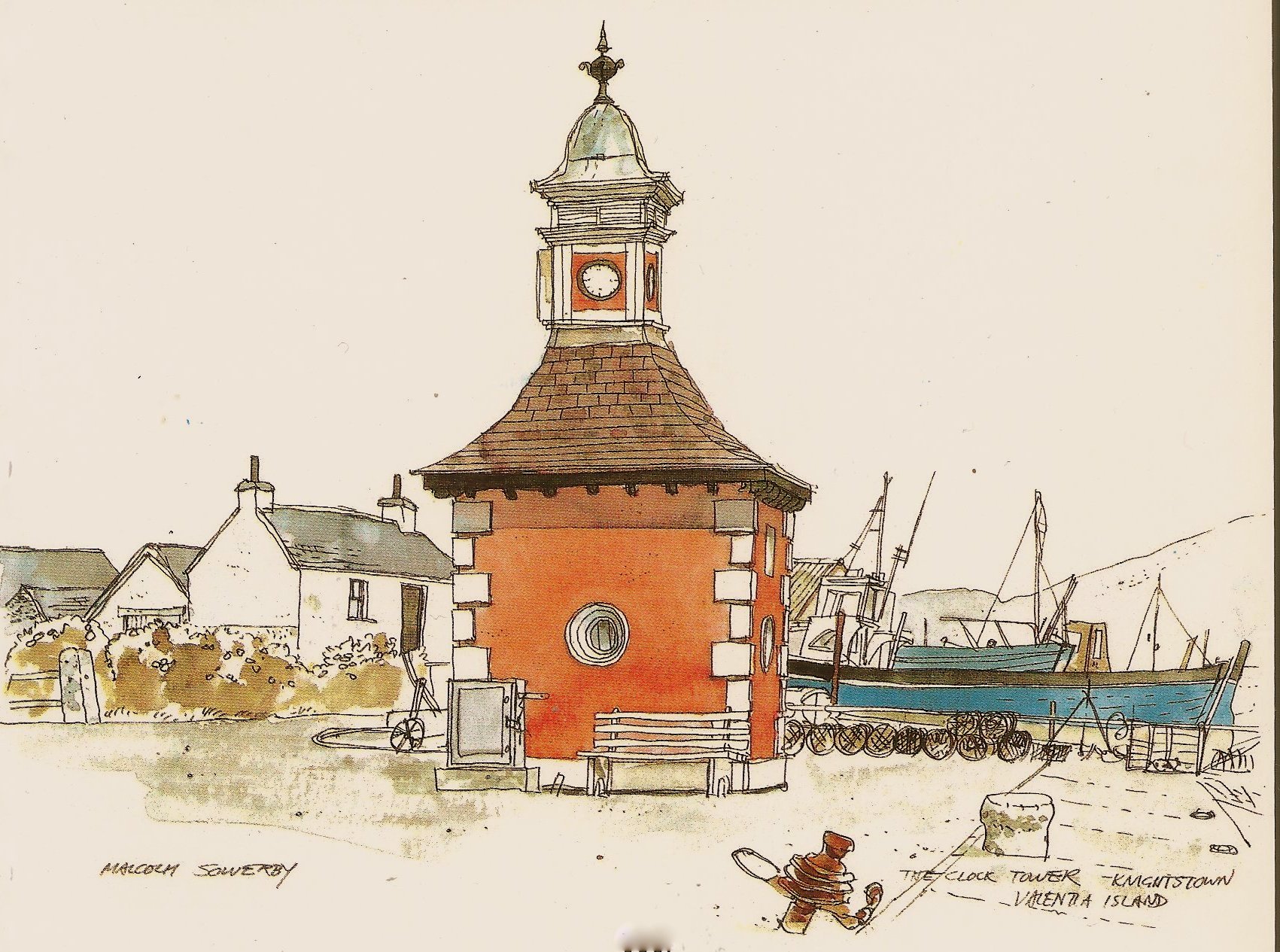
Valentia: A Different Irish Island — cover illustration showing the Knightstown clocktower
Available now

Valentia - a Different Irish Island

Valentia is in South West Kerry, next parish America.

In the 19th and 20th centuries, it was very different from other west coast islands because it had three main industries: fishing, slate quarrying and communications. These blended to form a unique social mix. As well as farmers and fishermen, the island had quarrymen, engineers, cable technicians, radio officers, meteorological staff, and a resident landlord, the Knight of Kerry.

Discover how this remote island changed the world by becoming the European terminus for the first Trans-Atlantic telegraph cable, read about the great Slate Quarry at Geokaun whose stone roofed the British House of Commons. Learn about the history of the FitzGerald family - the Knights of Kerry, and the enduring resilience of the island’s people through famine and emigration.

Valentia, a Different Irish Island is an account of their lives.
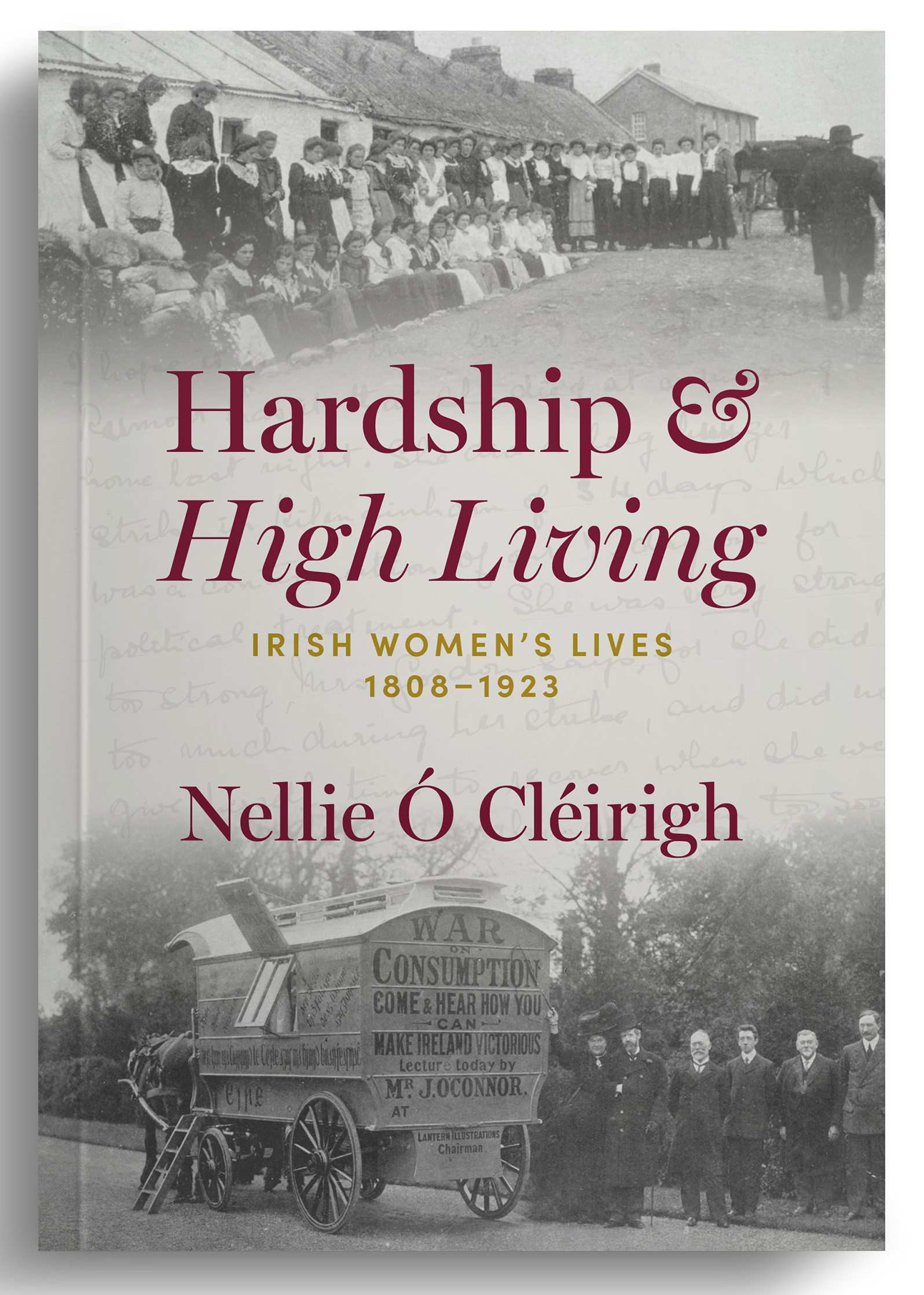

Hardship and Highliving — cover illustration
Available now

Hardship and High Living

Irish Women’s Lives 1808–1923

Covering the pivotal period from just after the Act of Union to the establishment of the Irish Free State, this compelling book offers eleven fascinating portraits drawn from unpublished diaries, letters, and contemporary records.

In the nineteenth century, Irish women lived extraordinary lives yet their testimonies are rarely heard. Using original manuscripts – diaries, memoirs, letters and signed witness statements – historian Nellie Ó Cléirigh brings us the authentic voices of a diverse range of women, from society hostesses planning dinner parties for prime ministers, to women such as novelist Maria Edgeworth trying to bring relief to famine victims, to post-Famine émigrés and to the destitute women enduring harsh and brutal regimes in workhouses.

Hardship and High Living provides fascinating new insights into the reality of women’s lives from 1808 to 1923, a period during which Irish society underwent a complete transformation.